1. Thereisaroleforschoolclosureinresponsetoschool-basedcasesofCOVID-19fordecontaminationandcontact tracing (few days of closure), in response to significant absenteeism of staff and students (short to medium length, i.e. 2-4 weeks of closure), or as part of a larger community mitigation strategy for jurisdictions with substantial community spread* (medium to long length, i.e. 4-8 weeks or more of closure).
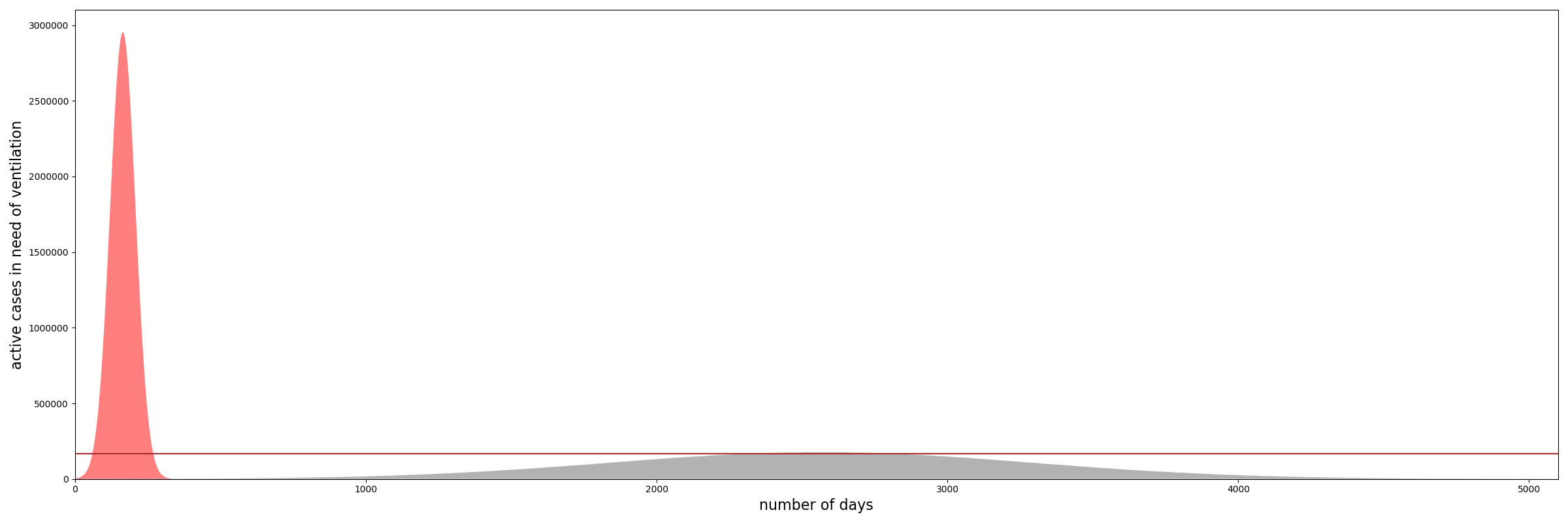
2. Availablemodelingdataindicatethatearly,shorttomediumclosuresdonotimpacttheepicurveofCOVID-19or available health care measures (e.g., hospitalizations). There may be some impact of much longer closures (8 weeks, 20 weeks) further into community spread, but that modelling also shows that other mitigation efforts (e.g., handwashing, home isolation) have more impact on both spread of disease and health care measures. In other countries, those places who closed school (e.g., Hong Kong) have not had more success in reducing spread than those that did not (e.g., Singapore).
3. Inplaceswhereschoolclosuresarenecessary,theanticipatedacademicandeconomicimpactsandunintended impacts on disease outcomes must be planned for and mitigated. Provision of academic support (e.g., tele-ed), alternatives for school-based meals as well as other services (e.g., behavioral and mental health services) for economically and physically vulnerable children, support for families for whom telework and paid sick leave is not available, ensuring that high risk individuals continue to be protected must all be addressed. Special consideration must be given for health care workers so that school closures do not impact their ability to work.
*Substantial community spread is defined as large scale community transmission, health care staffing significantly impacted, multiple cases within

 ) Again, we aren't stopping this thing, but we can stagger it at least some.