every factor you just listed accelerated after rome stopped integrating its federated allies as stakeholders and started treating them as disposable instruments.schmellba99 said:Old McDonald said:Silent For Too Long said:Old McDonald said:Silent For Too Long said:Old McDonald said:
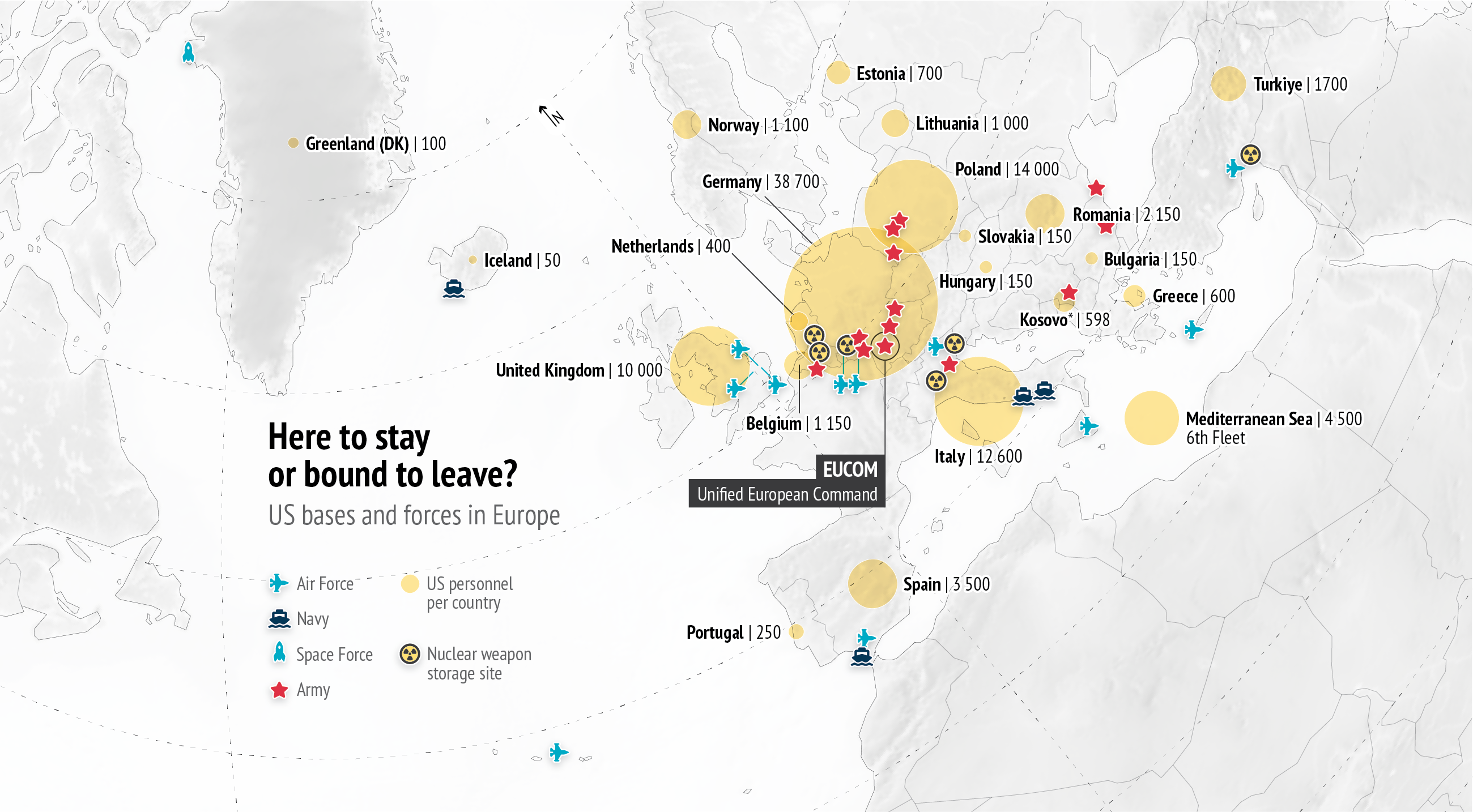
NATO is the only alliance in history where the dominant military power gets 31 countries to organize their entire defense architecture around american leadership, american equipment, american interoperability standards, and american strategic priorities.
leaving surrenders the most favorable strategic arrangement any great power has ever negotiated and hands the board to russia and china for free.
Everything you posted is false.
Throughout history, hegemonic countries have exacted tribute to keep the wheels of global economy well greased while shouldering the brunt of the military load. Egypt, Assiyia, Babylon , Persia, Greece, Rome, the Mongols, the United Kingdom...
We are the most taken advantage of super power in history.
Don't be so naive.
every empire on that list collapsed, and the ones that lasted longest (Rome and Britain) did so precisely because they built alliance systems rather than ruling purely by extraction, which is the lesson you're ignoring in favor of a vibes-based reading of ancient history
Built alliances? The British empire capitulated one of the most powerful empires in history by parking capital ships in Chinese harbors and demanding they buy their opium or else.
Rome contolled the central trade routes of the world and demanded much in return for the pleasure. You either participated in global trade and paid Rome for the pleasure to do so or you stayed in isolation.
You really know nothing of history.
In no other time in history has the world super power bent over backwards so much to make their vassal states happy.
**** them. They know they project literally nothing on the global scale without us.
if that's the case then you know less than nothing
rome is actually the perfect example for my argument. the empire collapsed because it stretched itself across every frontier simultaneously, hollowed out its core, and alienated the federated allies whose troops it depended on to hold the borders. britain's gunboat diplomacy in china produced a century of resentment that ultimately expelled them from asia altogether, which is a strange model to hold up as a success.
the US built something genuinely unprecedented, a voluntary alliance network where the other nations subsidize american force projection with basing, intelligence sharing, and diplomatic cover. calling them vassal states rather than strategic assets is silly. that confuses domination with leverage in a way that every fallen empire would recognize too late.
That was a very small contributing factor in the overall fall of the Roman empire. Rome more or less held it's borders for about a millenia, the major contributing factors are pretty complext but generally can be boiled down to political unrest, separation of classes, incompetence in leadership and inability to control borders mostly because the influx of outisde peoples eventually became more than they could manage and, over a period of a couple of generations, became an internal political force that helped fracture and eventually kill the empire as a whole. A lot of other factors as well.
bringing this back around to NATO, the argument is that empires who neglect their alliance structures weaken from within faster than from without. whether rome's federated allies were a major or minor factor in the collapse, the pattern of imperial overstretch without institutional cohesion is what matters for the NATO analogy.